Pain sits at the crossroads of physiology, psychology, and social context. It is not a single path you can block, or a single tablet you can prescribe. When clinicians grasp modern discomfort management, medical facility stays diminish, readmissions decrease, and clients restore momentum in their lives. When we fail, the effects surge throughout flexibility, mood, and work, and they typically enhance inequities. A properly designed discomfort management qualification training course offers medical professionals the structure, proof, and method required to move from improvisation to willful, risk-free, person-centered care.
This overview draws on years of professional mentor and bedside technique, from triage bays with acute burns to neighborhood sees with relentless low neck and back pain. It describes what you can expect from a discomfort administration certification training course, how to examine choices, and where specialized training for nurses and physio therapists includes worth. If you are taking into consideration a pain management certificate program to progress your range or meet regulative assumptions, you will certainly locate sensible insights here, not marketing gloss.
Why official training issues now
I have enjoyed capable clinicians hesitate with pain choices because the risks felt high and the pathways uncertain. One change, a paramedic crew delivered a client with an open tibial crack. The ED nurse had offered IV fentanyl en course, after that we layered regional anesthesia with ultrasound-guided fascia iliaca block. Forty mins later, the patient's discomfort score had actually dropped from 9 to 2, blood pressure had supported, and the orthopedics group might do a more complete examination. The distinction was not modern technology, but self-confidence developed from purposeful training.
Pain management training likewise safeguards people when pain management certificate policy winds change. Opioid stewardship programs, PDMP requirements, and insurance coverage analysis can make clinicians extremely conventional or, sometimes, inappropriately permissive. A discomfort management accreditation training course shows recommending structures, danger stratification, and monitoring plans that stand up to peer review, while maintaining patient dignity central.
What a solid pain administration course really covers
Look for a certificate course in pain management that integrates fundamental scientific research with hands-on skills and reflective practice. The very best pain administration training programs have 4 anchors: analysis, multimodal therapy, interaction, and safety.
Assessment starts with devices. Nociceptive, neuropathic, and nociplastic discomfort behave in different ways and react to different devices. Trainees need to practice translating descriptors like burning, electrical, or deep ache right into hypotheses about nerve involvement or central sensitization. Great programs teach how to adjust numeric discomfort ranges against functional goals, not chasing after absolutely no however going for rest, movement, and engagement. You should see web content on red flags and pattern recognition, from cauda equina syndrome to area disorder and myocardial anemia impersonating as epigastric discomfort. Programs that take evaluation seriously also educate society and bias. Clients who do not share distress the means we expect, or whose main language differs from the clinician's, often get less analgesia and fewer choices. Role-play and organized responses assistance damage those patterns.
Multimodal treatment indicates incorporating pharmacology with treatments, movement, and mind-body strategies. In a typical pain administration qualification program, the pharmacology block goes beyond application tables. Expect case-based conversations on NSAID choice in people with CKD stage 3, acetaminophen restrictions with poor nutrition or chronic alcohol usage, and opioid rotations making use of equianalgesic graphes that do not oversimplify cross-tolerance. Look for guideline on adjuvants like gabapentinoids, SNRIs, TCAs, topical lidocaine, capsaicin, and ketamine mixtures where appropriate. Nonpharmacologic modules must consist of activity pacing, graded direct exposure, fundamental rest interventions, TENS parameters, and when to refer to CBT or acceptance and commitment treatment. If a program skimps on these, its grads will certainly over rely on medication.
Communication and alliance often determine the outcome. When a person has actually dealt with pain for months, trust fund is fragile. The better discomfort management courses construct inspirational interviewing into the core. Medical professionals find out to check out fear-avoidance, catastrophizing, and expectations that discomfort should be eliminated before any kind of progress can take place. I have seen a five-minute conversation reframed from "absolutely nothing functions" to "what benefited an hour, and exactly how can we improve that?" That change changes everything regarding the plan.
Safety connections everything together. This includes allergy and cross-reactivity misconceptions, naloxone co-prescribing, bowel routines with opioids, QTc factors to consider with methadone, serotonin disorder danger with polypharmacy, and renal application procedures. It likewise consists of diversion avoidance, suitable documentation for abused substances, and tapering techniques that protect function and relationship. Emergency situation pain administration circumstances ask for tranquil pattern acknowledgment, whether that is an IV hydromorphone trial versus subdissociative ketamine in the setting of trauma, or when to call anesthesia for an emerging block.
Who advantages most from a discomfort management certification
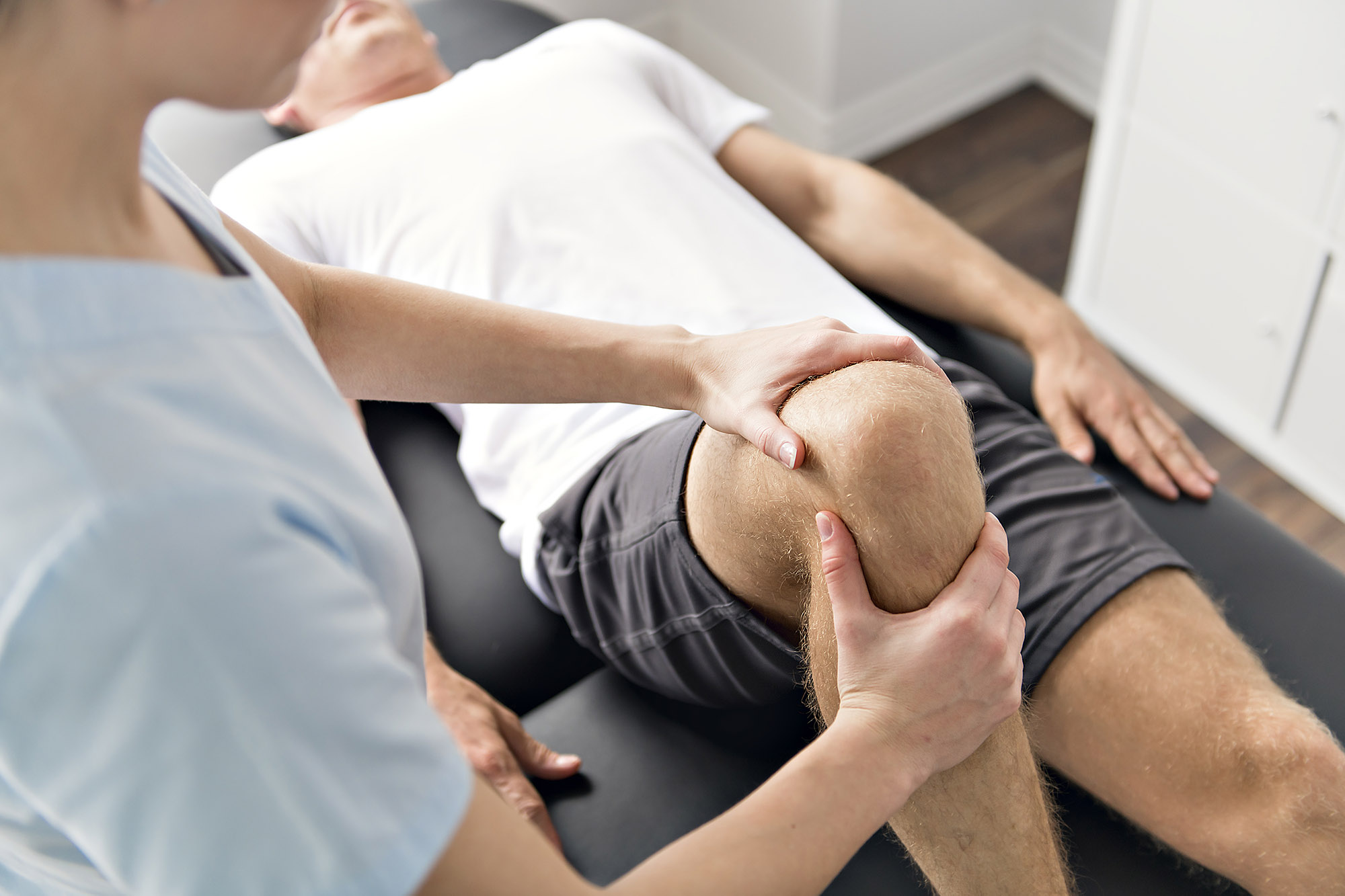
The most constant attendees in programs I show include early-career hospitalists who want to standardize method, progressed practice registered nurses in medical care, paramedics increasing right into prolonged treatment paths, and physio therapists constructing proficiency in pain scientific research and graded task preparation. Pain monitoring training courses for nurses often focus on discomfort analysis in high-acuity settings, quick titration protocols, and person education with discharge planning. Pain monitoring programs for physio therapists typically lean into pain inflection, graded direct exposure, and incorporating hands-on therapy with neuroplasticity concepts. When nurses and physios educate together, the whole facility gets more powerful, because language and objectives align across disciplines.
Short training courses suffering monitoring can offer active medical professionals who require targeted refresher courses, especially in EDs and rural hospitals where generalists deal with every little thing. A 2 day workshop on ultrasound-guided blocks, ketamine methods, and nonpharmacologic alternatives can change the tone of a division. For those that require a robust credential, a discomfort monitoring accreditation course or a longer certification course hurting monitoring provides sustained mentorship and assessment.
Programs labeled puaeme008 or detailed as puaeme008 provide discomfort management usually refer to competency-based components within emergency situation care training structures. If you run in a system where puaeme008 give pain management is recognized, validate that the curriculum includes airway safety while providing analgesia or sedation, recognition of time-critical conditions, and ideal transfer of care notes. Even if you practice outside that structure, the structure can be a useful benchmark.
How to assess a pain administration qualification course
You can assess syllabi throughout the day, but the signal emerges when you ask about patient-facing practice and faculty. Who instructs, and just how do they exercise? Do they see clients weekly, and do they take care of intricate instances as opposed to only layout refills? Programs that match physicians, NPs, nurses, and physiotherapists as professors supply richer conversation and much less dogma.
Ask for case mix in evaluations. A healthy program tests more than opioid conversions. It needs to offer a 78-year-old with back constriction and COPD, a 24-year-old with sickle cell vaso-occlusive situation, a 40-year-old landscaper with side epicondylitis and stress and anxiety, and a 55-year-old with failed back surgical treatment syndrome on high-dose oxycodone. Centers rarely bring book individuals, and courses need to not either.
Scrutinize the blend of discovering formats. Taped lectures have their location, however proficiency comes from spaced rep, live discussion, and abilities labs. Discomfort monitoring training for nurses take advantage of simulation around rapid-onset agents, IV gain access to in hypotensive clients, and naloxone rescue drills. Physiotherapists benefit from live method on pain education and learning scripts, flare-up strategies, and movement experiments. Look for comments loops that consist of chart audits or de-identified instance evaluations. Those show the routine of reflective method, which persists after the certificate ends.
Finally, examine the analysis plan. A pass that requires only presence is a warning. You desire pre and post screening, observed structured clinical exams, and useful demonstrations like ultrasound-guided shot on phantoms or dosing calculations under time stress. That roughness makes certain the discomfort administration certification indicates something.
Inside the educational program: from severe to chronic
A comprehensive discomfort monitoring accreditation crosses time horizons, from the very first hour of discomfort to the fifth year.
Acute pain modules typically begin in emergency situation discomfort management. Below, criteria emphasize safety and security and rate. You will practice using fentanyl in the unstable person versus morphine in the stable one, learn when ketorolac helps and when it damages, and apply subdissociative ketamine for extreme pain without respiratory tract concession. Many programs now include local anesthetic. I have educated ED registered nurses to establish for fascia iliaca blocks and paramedics to prepare intranasal fentanyl securely. The measurable outcome is smoother decreases, less sedations, and much shorter throughput.
Transitional and subacute training programs to provide pain management discomfort modules manage the weeks after an injury or surgery. The huge obstacle is preventing the slide into consistent pain. Expect material on tapering strategies, assumptions setting prior to surgical procedure, and early mobilization. The most effective programs educate that pain flare-ups are information, not failing, which day-to-day function needs to lead modifications greater than a solitary numerical score.
Chronic pain sections need nuanced thinking. They cover central sensitization, rest and state of mind interactions, endocrine effects of persistent opioids, and complex local discomfort disorder. You need to practice translating discomfort diagrams, neurologic displays that rule in or out outer participation, and when to seek sophisticated imaging. You will certainly work through opioid threat evaluations, pee medication tracking strategies that do not criminalize patients, and individual contracts that concentrate on safety and security and partnership as opposed to hazards. Pharmacology increases here to include buprenorphine for discomfort, low-dose naltrexone in choose cases, and topical combinations.
Throughout, try to find micro abilities. Showing a diaphragmatic breath takes 2 mins and can reduce procedural pain. Coaching an individual through graded direct exposure to bend towards the floor after months of concern can supply much more alleviation than any tablet. Programs that installed these micro skills create clinicians that have alternatives when the usual devices do not work.
Documentation and the medicolegal layer
Certification seldom focuses on paperwork, yet excellent documentation is part of scientific craft. Your discomfort administration course must demonstrate how to record practical objectives, danger conversations, and the reasoning for dosage modifications. If you offer discomfort administration in settings with controlled-substance oversight, you require a documents process that takes under 2 mins yet captures analysis, plan, monitoring, and a clear comply with up period. I utilize templated phrases moderately and prefer short, details declarations: "Objective: stroll the pet dog two blocks away within 14 days. Risk talked about: oversedation. Start duloxetine 30 mg nightly, reassess state of mind and sleep in 2 weeks, consider 60 mg if endured and minimal advantage at 4 weeks."
Interprofessional cooperation that in fact works
Pain hardly ever fits neatly in one lane. The discomfort monitoring training programs that changed my technique taught me to share possession and protect handoffs. For registered nurses, this suggests very early flagging of unrestrained pain and prompt titration within protocol, plus patient coaching on what to expect from each medication. For physio therapists, it means connecting exercise prescriptions to the pharmacologic plan, so the very first week of duloxetine associate low-load, frequent movement that reinforces a success signal. For prescribers, it implies reviewing PT notes for signs of fear-avoidance and documenting exactly how the team will certainly resolve them. The rhythm issues: medicine relieves movement, motion rewires assumption, education cements brand-new patterns. When each technique understands the others' objectives, the individual sees coherence.
Measuring results past numerical pain scores
Certification programs significantly push for end results that matter. Discomfort strength matters, yet it is not the only compass. Track sleep latency, steps per day, capacity to work, institution presence, or time with grandchildren. In community setups I use 3 measures once a week: a 0 to 10 pain interference score, minutes of continuous walking, and a single concern regarding mood. If the pain rating falls yet disturbance stays high, the strategy needs revision. The educational program ought to press you to pick and stick to a few metrics that you and the person can maintain.
Common challenges and exactly how training assists avoid them
Several mistakes repeat in technique. The initial is dealing with neuropathic pain with rising opioids as opposed to first-line adjuvants and topical treatments. The 2nd is failing to intend completion from the beginning. If you begin oxycodone after a crack, write the tapering strategy with the first manuscript, and routine a check-in at day 5 as opposed to allowing the refill request land after hours. The 3rd is merging client dissatisfaction with drug-seeking. Good programs aid different unmet assumptions from hazardous actions, and they teach manuscripts for reacting without defensiveness.
Another risk is ideal strategy paralysis. You will never have ideal info. If a person has actually not slept in days due to sciatic nerve pain, a short course of nighttime gabapentin while you set up physical rehabilitation and rest hygiene could be the best bridge. Training aids you make these calls with humbleness and adhere to up, not handwringing.

Finally, clinicians in some cases forget the simple comforts. A heat pack, a quiet space, peace of mind that the plan remains in motion. In the ED, I established a timer for review within 20 minutes of IV analgesia. A quick return check out signals treatment, commonly decreases repeat dosing, and develops trust.
What to expect from evaluation and certification
Most pain monitoring certification training courses integrate expertise checks, practical abilities, and case-based viva. You may show blending a ketamine infusion, do an ultrasound-guided block on a phantom, or advise a standardized patient on tapering an opioid while recognizing previous trauma. Written examinations examination mechanisms, application, and threat structures. Some programs include a profile of de-identified situations with reflective discourse. That last item deserves your time. It instructs you to notice your own predispositions and regular shortcuts.
On effective conclusion, you receive a pain administration certificate that might fulfill organizational proficiencies or get approved for credentialing benefits. Past the paper, you should expect even more simplicity in tough conversations and less situations in your panel. If the course likewise gives continuing specialist development credit scores, verify placement with your board or university before enrolling.
Tailoring your path: brief programs versus full certification
You do not always require the maximal option. If you are an ED registered nurse who requires sharper protocols for triage and first-hour care, brief programs hurting monitoring with an emergency focus may be sufficient. If your group is presenting puaeme008 offer pain management components as component of a larger emergency situation training overhaul, align your knowing with that said structure. Health care medical professionals that manage complicated chronic discomfort and polypharmacy typically benefit from a comprehensive discomfort monitoring qualification training course that consists of longitudinal mentorship. Physio therapists aiming to update discomfort scientific research education and learning and rated direct exposure techniques commonly discover that concentrated discomfort monitoring programs for physio therapists provide the very best return, particularly when coupled with situation consultation.
For nurse practitioners expanding prescribing responsibilities, a certificate program in pain administration that consists of opioid stewardship, buprenorphine for persistent discomfort, and state-specific legislation is worth the added time. Pain management training for nurses who function in inpatient setups need to consist of PCA procedures, monitoring for respiratory system clinical depression on the ward, and acceleration pathways.
How companies can integrate finding out the next day
A course only matters if it changes Tuesday mid-day. The morning after your last module, select two behaviors to begin quickly. You may decide to make use of a practical objective statement in every note, and to present a five min breath and movement micro ability with each brand-new relentless pain client. Or, if you operate in an ED, supply intranasal atomizers, systematize pre-mixed ketamine concentrations, and include a fascia iliaca block package to your procedural cart. Little, visible adjustments send a clear message to associates and individuals: pain is being managed systematically and humanely.
A pragmatic roadmap for choosing a course
- Ask for a sample lecture and a skills lab rundown. If you can not see how the material translates to your clinic, keep looking. Check faculty technique patterns. Active clinicians with combined intense and chronic caseloads show the most functional material. Verify assessment roughness. Try to find OSCEs, instance profiles, and monitored simulations instead of attendance-only credit. Confirm interprofessional gain access to. Training courses that welcome registered nurses, prescribers, and physiotherapists foster team effort you can bring home. Review post-course assistance. Workplace hours or situation seeks advice from over three to six months make the learning stick.
A quick case that ties it together
Maria, 46, presents with 2 years of reduced pain in the back after a training injury. She tried intermittent NSAIDs, 2 short opioid training courses, and passive treatments. She rates discomfort at 7 but reports she can rest for only 10 minutes and has acquired 8 kilos. Her mood is low, and rest is broken.
A medical professional notified by solid discomfort administration training could take this course. Initially, reframe objectives toward function: stroll 15 minutes daily and return to light gardening in 6 weeks. Second, display for red flags, after that assess for neuropathic features. If none control, begin a nonpharmacologic base: brief everyday movement with graded exposure, diaphragmatic breathing, and rest organizing. Include duloxetine 30 mg nightly, strategy to reassess in 2 weeks, and construct to 60 mg at four weeks if tolerated. Stay clear of opioids throughout this phase. Offer a flare-up plan that consists of warm, short remainder, then a reduction to 70 percent of the previous activity for two days prior to resuming development. Schedule physiotherapy focused on pacing and fear-avoidance. File a follow up call one week to troubleshoot very early barriers.
Three weeks later, Maria sleeps 5 hours, walks 12 minutes without raising pain the next day, and records less anxiety about bending. Her numerical discomfort score rests at 5, however disturbance has actually dropped. Progression is real. A small amount of structured pharmacology, targeted activity, and steady training beat repeated short opioid scripts. That is the kind of shift that a pain management qualification embeds into everyday practice.
Final ideas for medical professionals prepared to degree up
Whether you are seeking an official pain administration qualification, a pain administration certificate program customized to your function, or a set of focused workshops, the goal coincides: reputable, gentle treatment that stabilizes relief with safety. The best program equips you to give pain monitoring in chaotic minutes and in long, peaceful months of recovery. It offers nurses the confidence to titrate and inform, physiotherapists the tools to explain and advance, and prescribers the frameworks to select wisely.
If you choose well, you will not just pass an examination. You will certainly change the mood in your facility. Patients will really feel seen, your group will connect in a typical language, and your paperwork will certainly safeguard itself. That deserves the time, and your clients will certainly notice the difference.