Introduction
In the realm of health care, specialized expertise and skills are critical. Wound treatment nursing is one such specialization that requires a deep understanding of injury pathology, treatment methods, and client management. The duty of an injury treatment nurse expands beyond fundamental treatment; it entails essential reasoning, medical judgment, and thoughtful individual interaction. As the population ages and chronic illnesses come to be extra prevalent, the demand for knowledgeable injury care specialists continues to increase. This short article checks out the intricacies of Wound Care Registered nurse Training: Preparing for Real-World Challenges, detailing the education and learning required, the obstacles encountered in practice, and approaches for efficient injury management.

Wound Treatment Registered nurse Training: Preparing for Real-World Challenges
Wound treatment registered nurse training is not simply a scholastic undertaking; it's a comprehensive strategy to furnish nurses with necessary abilities to take care of complex circumstances involving patients with wounds. From medical injuries to press ulcers and diabetic person foot abscess, each instance offers one-of-a-kind obstacles needing customized solutions.
Understanding Wound Pathophysiology
The Recovery Process of Wounds
Before diving into sensible applications, it's important to understand just how injuries recover. The healing procedure consists of 4 stages: hemostasis, swelling, expansion, and remodeling. Each phase plays a crucial function in recovering skin integrity.
Hemostasis: Right away after injury, capillary constrict to lower bleeding. Inflammation: White blood cells move to the site to prevent infection. Proliferation: New tissue forms as fibroblasts generate collagen. Remodeling: The injury matures over time as collagen reorganizes.
Understanding these phases is fundamental in wound treatment specialist training, enabling nurses to analyze recovery progress accurately.

Types of Wounds
Different sorts of injuries require various strategies:
- Acute Wounds: Surgical incisions that usually adhere to a predictable recovery path. Chronic Wounds: Such as venous ulcers or diabetic person foot ulcers that may call for advanced interventions.
By recognizing these differences at an early stage in their training, nurses can customize their therapy intends accordingly.
Wound Treatment Training for Registered Nurses: Educational Program Overview
Core Parts of Educating Programs
Most wound care training courses include several core components essential for developing skilled specialists:
Anatomy and Physiology Basic Wound Care Techniques Advanced Therapy Modalities Patient Assessment Skills Psychosocial Factors in Healing Legal and Moral ConsiderationsThese components make certain that registered nurses have a well-rounded education and learning encompassing both academic knowledge and practical skills.
Hands-On Training Opportunities
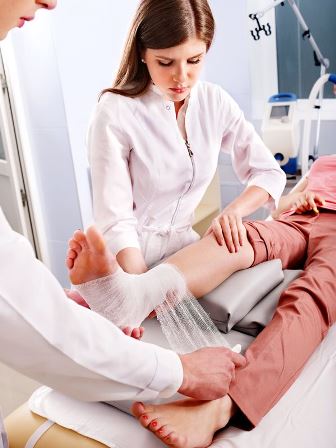
Practical experience is essential in nursing wound care training Simulation laboratories provide safe environments where students can exercise clothing changes, use clinical tools, and participate in person simulations prior to going into real-world settings.
Challenges Dealt with by Injury Care Nurses
Managing Complicated Cases
One of one of the most significant challenges in injury treatment nursing is handling complex instances entailing numerous comorbidities like diabetes or vascular diseases. Such problems complicate recovery procedures and need innovative knowledge for reliable management.
Emotional Toll on Nurses
Caring for clients with chronic wounds commonly features emotional problems due to prolonged therapies and the potential for bad results. Approaches for self-care are important in mitigating tension amongst injury treatment professionals.
Essential Skills Created Throughout Wound Treatment Nurse Training
Clinical Skills
Through wound treatment training, registered nurses discover vital medical skills such as:
- Accurate evaluation techniques Effective dressing application Infection control protocols
These competencies lay the groundwork for successful patient outcomes.
Communication Skills
Effective interaction is essential when reviewing therapy plans with clients and their families-- especially when informing them about self-care approaches or resolving worries concerning healing timelines.
Technological Developments in Wound Management
Innovative Therapies Readily available for Nurses
With improvements in innovation come brand-new devices that enhance injury management:
- Bioengineered skin substitutes Negative pressure injury treatment (NPWT) Telehealth solutions
Training programs now integrate these technologies right into their curriculum to ensure that nurses are proficient when they go into clinical practice.
The Function of Evidence-Based Practice in Injury Treatment Management
Importance of Research in Nursing Practices
Adopting evidence-based methods makes sure that registered nurses offer top quality care based on current research findings rather than outdated techniques or anecdotal evidence.
Chronic Wound Care Management Strategies
Developing Comprehensive Therapy Plans
For clients with persistent wounds, creating individualized treatment strategies is vital. These strategies ought to attend to underlying issues such as inadequate blood circulation or inadequate nourishment while giving mindful tracking throughout the recovery process.
NDIS Wound Treatment Initiatives
Supporting Individuals with Handicaps through Specialized Programs
The National Special needs Insurance Scheme (NDIS) has details standards customized toward people needing extensive injury monitoring assistance as a result of handicaps or persistent health and wellness conditions.
Continuing Education Demands Post-Certification
Continuous specialist growth makes certain that qualified wound care specialists stay educated about developing finest methods within their area-- a necessity given quick developments throughout health care sectors today!
Networking Opportunities within Specialist Organizations
Engaging with professional companies promotes collaboration among peers enables sharing wound care management best practices experiences leading in the direction of improved standards across various techniques globally!
The Future Landscape of Injury Care Nursing Careers
Through continuous innovations combined along with enhanced needs throughout culture's maturing populace; chances are plentiful within this specialized area!
FAQs regarding Injury Care Registered Nurse Training
What certifications do I require to end up being an injury treatment nurse?
To end up being a qualified wound treatment nurse you usually require an active RN permit together with specialized training courses concentrating especially on advanced strategies connected straight towards handling complex/chronic injuries effectively!
How long does it require to finish a wound care training program?
Most programs last anywhere from several weeks up until several months depending upon whether they offer part-time/full-time options readily available alongside course material depth.
Are there on-line options readily available for acquiring certification?
Yes! Numerous establishments currently supply wound treatment training courses on the internet making them accessible regardless geographical place!
What are some typical accreditations recognized within this field?
Commonly acknowledged accreditations include CWCN (Qualified Injury Treatment Nurse), CWS (Certified Wound Professional), & & AWCP (Advanced Injury Treatment Expert).
Is proceeding education and learning necessary after certification?
Yes! Ongoing education demands ensure specialists continue to be upgraded concerning developing techniques/methodologies which ultimately enhances client end results long-term!
li24/ol3/##
Conclusion
In summary, Wound Care Registered nurse Training: Preparing for Real-World Challenges stands for a necessary pathway towards coming to be efficient experts capable of browsing intricate individual situations effectively while supplying premium top quality healthcare solutions total! Through strenuous academic prep work paired alongside hands-on experiences acquired throughout this trip-- trainees arise all set outfitted not simply tackle instant problems but additionally proactively handle future challenges ahead making certain optimum outcomes accomplished every step along way forward with each other collaboratively relocating in the direction of brighter horizons loaded really hope makeover lives touched favorably forevermore!